
Class Gastropoda contains organisms commonly known as snails. Many snails have a horny plate, called an operculum. Marine Gastropods contain abalones, helmet shells, and nudibranches. Class Bivalva is made up of organisms such as mussels, clams, oysters, and scallops. Bivalves have a hinged, two-pieced shell. Some bivalves, such as clams, burrow into the sand with their muscular foot. Class Cephalopoda contains squid, octopuses, cuttlefish, and nautilus. They are carnivorous predators with sucker-lined tentacles, well-developed sense organs, and relatively large brains. Camouflage is achieved as a result of chromatophores, which can change the animals' color to match their surroundings. Because they do not have an external shell, cephalopods can forcefully contract their mantle cavity, shooting out a jet of water, which propels them backwards. Other mollusks include chiton and tusk shells. To become more familiar with the anatomy of a clam, I dissected a clam during this module. Here are some pictures:
A giant clam:

A cowry:
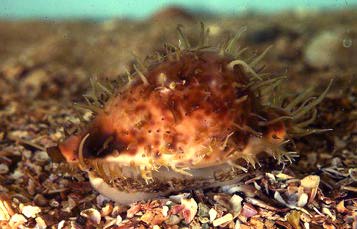
Some sea slugs:

An octopus:


4 comments:
Thanks, Stupendous Man. I enjoyed your post. Mollusks have always fascinated me. I enjoyed the pics.
-Arwen
Great information and beautiful pictures!! You are learning a lot!!!
Keep up the good posts!
Wow, cool pictures! Thanks for posting these. It's really interesting to read about them. Funny that octopuses are in the same category as clams when they are all squidgy and don't have that hard shell on the outside.
Yeah, I know what you mean fb. They don't seem similar from just looking at them, but they actually are. :)
Post a Comment